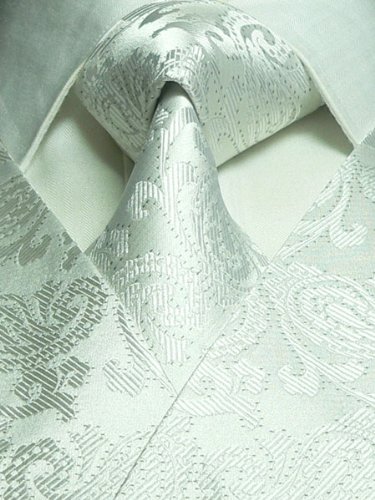
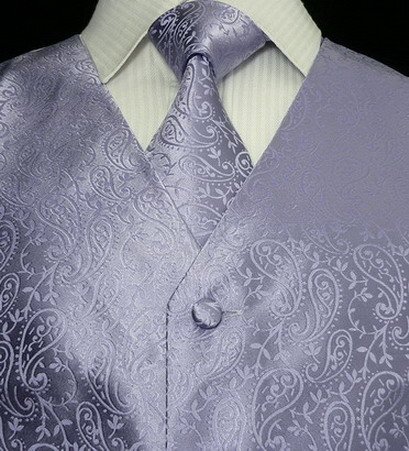
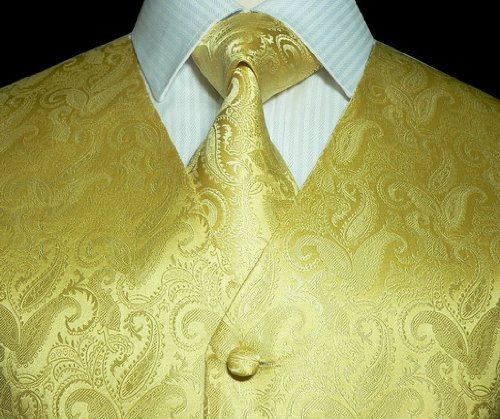
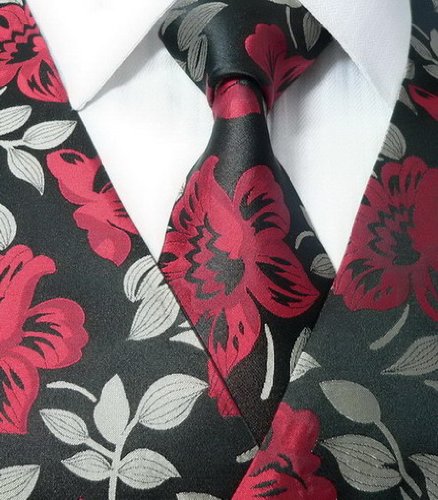
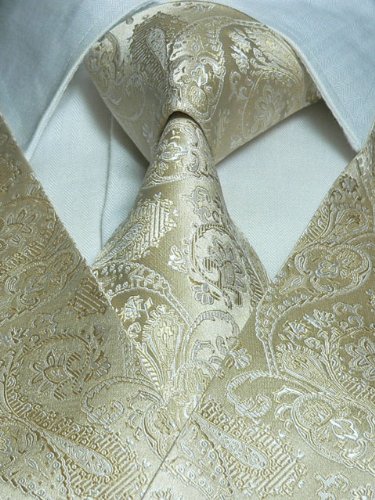
Suit Hankerchief Best Cheap Shop Online If you are looking for online shopping deals for buying Best Seller Suit Hankerchief but are not able to find the best site that can offer you best deal then you have reached the right place. Here you can order Best Seller Suit Hankerchief at much lower price which will make your shopping affordable. Our site have Biggest Store Online for you will be delivered your Best Seller Suit Hankerchief
Contrary to what society would have one believe, women are not flocking to the man with his pants at his ankles and 3lbs worth of jewelry hanging from his ears, arms, and chest. Instead, women typically prefer a man who looks as if he just stepped out of GQ magazine -- the often overlooked neat and conservative fellow. However, these neat and conservative dressers are oftentimes overshadowed by the millions of men who commit fashion suicide on a daily basis. Tube socks with dress suits, ill-fitted suits, and mismatched or over-coordinated apparel are just a few of the fashion mistakes men make. Don't be ashamed if you are perpetrator of these crimes against fashion. A sense of fashion does not come overnight. The following tips will help you become more fashionable with easy to implement strategies to help improve your wardrobe and overall appeal.
Fashion crimes to avoid:
Suit Hankerchief
The Hangover Suit
Men's Fashion - The Well-Dressed Man Women Love
Topping the list of turn offs for women is a man who shows up wearing a suit that looks as if it was used as pajamas the night before. Having a clean and crisp appearance is vital if you wish to appear the least bit presentable. It doesn't take much to go over your clothes with an iron the night before, or at the least, invest in getting your suits cleaned once a week at your neighborhood cleaners.
Taste the Rainbow
Believe it or not, women look at even the most subtle fashion combinations. You can then understand why it is important to choose wisely when coordinating your shirts, ties, and suit coats. There are certain patterns that clash with each other. Take for example the following fashion suicide combination: a plaid jacket, polka dot tie and striped shirt. This is too much pattern concentrated in one place. Be wise. One pattern should never overpower the other. Instead, it should accentuate its counterpart. If you wish to combine items, combine colors, not patterns, to make your outfit pop. By mixing darker colors with its lighter partner on the color wheel you are able to help both items make a statement without overdoing it.
The Roman Solider
Look, we know you have muscles! There is no need to exaggerate it with 5 inch shoulder pads sewn into your suits. Avoid this look like the plague.
Shaggy the Dog
Did you forget that you have a head too? Don't be the man who is dressed well --- from the neck down. The total package includes your head too. Ensure that you are clean shaven, have a neat haircut, and are not sporting a unibrow. Women are visual creatures too and make mental notes of even the little details.
Metro Man Phobia
Having the least bit of fashion sense does not make one any less masculine. Items like the fit of a coat, correct sleeve length, polished shoes, and correct accessorizing go a long way in complementing or ruining a gentleman's image. Neatness need not be expensive. Men are oftentimes slow to warm up to style changes. Just like a woman, men need some color in their wardrobe too! If your closet consists of only white shirts, it is time to spice things up. Seek out colors that compliment your skin tone. If you are unsure of what colors to choose, seek the advice of knowledgeable women in your life, or the sales associate at Macys. Furthermore, "accessories" is not a term monopolized by women. Men can accessorize their wardrobe with items such as a handkerchief, cuff links, or even a watch to turn a drab suit into a fabulous suit.
Terrible Tube Socks
Did you know that women enjoy foot candy on a man too? However, you are not satisfying any woman's sweet tooth by ruining your outfit with the flash of white tube socks against a black suit and polished shoes. There is no sight more disturbing than to see white socks flashing beneath the pant legs of a well-dressed man. To avoid this costly mistake, your socks should be of a dark, solid color to blend or match the suit, and of the higher styling kind such as silk or a thin cotton/nylon blend. In addition to choosing the appropriate sock material, men should also pay close attention to the length of their socks. Don't be the man who carelessly crosses his leg and reveals a stump of hairy shin exposed between his trouser cuff and shoe top. Lastly, don't walk out the door with shoes that look as though you just walked through a construction zone. Unpolished shoes can ruin a good looking outfit. Make sure that your shoes are well polished before stepping out the door.
A man is considered a great dresser when he takes time selecting what he wears. By properly coordinating your outfits and evaluating your appearance before you leave out the door, you can ensure that you are not counted in the pack of fashion faux pas committers.
Kleenex facial tissue is a house-hold product. They are in most bathrooms across the country, and are a savior during cold and flu season. Everyone knows that Kleenex tissues are most commonly used for blowing noses, right? Well, if they are used for blowing noses...why aren't they called disposable handkerchiefs? That is certainly what they are used as. But instead they are called facial tissue. Why is that? Believe it or not, there is certainly a very specific reason why these throw-away cloths are known as facial tissues. That is because such tissues were originally invented and marketed for a distinct purpose, and that purpose was certainly not for use as a throw away handkerchief for blowing the nose.
Kimberly-Clark Corporation introduced Kleenex tissue in 1924 as a way for women to remove makeup from the face. You see, back in the 1920s, women put cold cream on their faces and then wiped it off with a towel to remove makeup. But now, instead of staining towels and having to wash them, Kleenex was a throw away alternative that was much easier to use and toss away. No more washing cloth towels and trying to remove stubborn makeup stains. The product was a success. Interestingly, in their first marketing campaigns, Kleenex brand tissues were shown being used in Hollywood makeup departments. These early advertisements showed stars like Helen Hayes and Jean Harlow using Kleenex tissues and cold cream to easily remove their heavy Hollywood makeup from their faces. The product was used for a few years with this use by women as the main idea behind the facial tissue.
Suit Hankerchief
Little did the executives at Kimberly-Clark know, despite these first advertising efforts as a tool to remove makeup from the face, the public at large-including men-had a different idea for the use of these makeup removal tissues. By 1926, just two years following their introduction to the marketplace, Kimberly-Clark Corporation received a lot of consumer letters stating that the tissues were actually commonly used as disposable handkerchiefs. This brought it to their attention that many people were using these tissues to blow their noses on instead of using them for makeup removal. These letters caught the attention of the bosses at Kimberly Clark Corporation, and they decided to do a little experiment to see if it was the truth.
Why Kleenex Are Called Facial Tissues Instead of Disposable Handkerchiefs
To test the alternative use as a disposable handkerchief to blow the nose as a potential way to market the Kleenex product and increase sales, Kimberly-Clark conducted a survey in an Illinois newspaper. In this survey they ran an advertisement showing the two known uses of Kleenex facial tissue. The readers were asked which one was the most common use: as a way to remove cold cream from the face or as a disposable handkerchief for blowing noses. The data from the survey demonstrated that 60% of the newspaper's readers did in fact used Kleenex facial tissues as a disposable handkerchief.
By 1930, Kimberly-Clark changed their advertising campaign for Kleenex, focusing on using the facial tissue as a disposable handkerchief, and sales doubled! Now you know why they are called "facial tissue" and not "disposable handkerchiefs"! Doesn't it make perfect sense? Going to prove once again that the customer is always right!
Why Kleenex Are Called Facial Tissues Instead of Disposable Handkerchiefs
Pot-pourri is a very traditional aromatic accessory for the home and many recipes have been handed down through the generations. There are several ways to make pot-pourri. The oldest method is for a moist pot-pourri where layers of rose petals, spices and salt are arranged in a large crock and left to rot down for six weeks or more. The strength of scent is excellent but the visual appearance is not good (the salt bleaches out all the color in the rose petals). That is why traditional pot-pourri jars are closed, with holes for the fragrance to waft through.
Suit Hankerchief
A prettier finished effect is gained by mixing flowers and herbs with essential oils and a fixative, such as orris root. This is also a fairly lengthy method but the finished effect can be lovely, particularly if some flowers are dried with silica gel and placed on top for decoration.
As most of the projects here are for sachets or other items where the herbs are hidden away behind some fabric, the look of the finished pot-pourri is not of paramount importance. The main point is that the scent should be strong and long-lasting. When making small sachets it helps to use fairly small ingredients of an even size, so there are no unsightly lumps and bulges in the sachets. The best answer for this is to use small sprigs of dried herbs and flowers with a much larger proportion of fixative.
Many recipes call for powdered orris root, but I use cut and sifted orris or blue flag root instead, as I find the powder spoils the outward appearance of pot-pourri. However, as the recipes here are mainly for use on sachets, either powdered or cut orris root will do.
Many of the recipes here can easily be altered to suit whatever ingredients you have available. Once you have made several batches of your own pot-pourri you will become more courageous and want to experiment. It is easy to make up your own recipes just keep to the basic guidelines on quantities of ingredients.
Orris Root and Oil Mixture
As a general note, I use a measuring jug when measuring out the various dry ingredients, unless they are measured by the spoonful. The orris root is best mixed with the essential oil first and put into a small screw-top jar to mature for a couple of days. If you are intending to make several types of pot-pourri, I would suggest you build up a collection of jars with different orris root and essential oil mixtures which you can use as you wish.
Mix the oil and orris root in the proportions of 4 oz orris root to 1/2 fl oz essential oil. Once it has matured for a couple of days you can use it by the tablespoonful as indicated in the recipes. Make sure that you label the jars clearly, stating the particular essential oil you have used. The collection of orris root/oil jars can then sit in a neat row on your kitchen shelf or worktop, where you can shake them occasionally to encourage the mixing process. Avoid storing them in strong sunlight as it will reduce the strength of the essential oils.
Use a large mixing bowl and mix together all the ingredients. As these recipes are mainly destined for use in sachets, you should break the cinnamon pieces up fairly small. Having mixed it well, turn the mixture into a large jar or polythene bag and seal. Put it away for two to four weeks, shaking it regularly to ensure even distribution of the oil mixtures. Check the smell after two weeks; if the aroma seems satisfactory you can use it, but if not, you should wait another couple of weeks. If you are still not happy with the smell, try adding other orris root/oil mixes until you like the balance of the fragrance.
Mix all the ingredients together in a large mixing bowl and place in a large jar or polythene bag. Seal and put away in a dark place for two to four weeks, shaking occasionally to help the mixing process.
Mix all the ingredients together in a large mixing bowl and place in a large jar or polythene bag. Seal and put away in a dark place for two to four weeks, shaking occasionally to help the mixing process.
Mix all the ingredients together in a large mixing bowl and place in a large jar or polythene bag. Seal and put away in a dark place for two to four weeks, shaking occasionally to help the mixing process.
Mix all the ingredients together in a large mixing bowl and place in a large jar or polythene bag. Seal and put away in a dark place for two to four weeks, shaking occasionally to help the mixing process.
Mix all the ingredients together in a large mixing bowl and place in a large jar or polythene bag. Seal and put away in a dark place for two to four weeks, shaking occasionally to help the mixing process. Use in sachets that can be hung in cupboards or laid in drawers to ward off fierce moths.
Mix all the ingredients together in a large mixing bowl and place in a large jar or polythene bag. Seal and put away in a dark place for two to four weeks, shaking occasionally to help the mixing process.
Hop Pillows
For centuries, hop pillows have been popular remedies for combating insomnia and promoting restful sleep. Originally, mattresses would have been filled with grasses and herbs, which is why the plant Galium ordorata is commonly known as 'ladies bedstraw' or 'hedge bedstraw'. From there we progressed to stuffing pillows and mattresses with down and horsehair, but the smell of the grasses was replaced by an herbal pillow. During the Victorian era, herb pillows were much favored, particularly ones made from lavender and roses.
Although it is traditional to slip herb pillows into the main pillowcase and therefore keep them out of sight, they look best when decorated with plenty of lace and ribbons, especially if you are giving them as a present.
Many fabrics can be used for making pillows, ranging from plain calico that can be slipped into the main pillowcase to antique linens and lace that give a really luxurious effect and deserve to be left on show. The two most popular scents for inducing sleep are hops and lavender, but these fragrances do not blend well together so choose one or the other. Both of these recipes smell heavenly and will help you drift off into scented sleep.
Mix all the ingredients together in a large mixing bowl and place in a large jar or polythene bag. Seal and put away in a dark place for two to four weeks, shaking occasionally to help the mixing process.
Victorian Flower Sleep Mix
3/4 pint dark red or pink scented rose petals 1/2 pint elderflowers 1/2 pint lavender flowers 1/4 pint rosemary leaves (they keep away evil spirits!) 5 tbsp rose/orris mixture 3 tbsp lavender/orris mixture
Mix all the ingredients together in a large mixing bowl and place in a large jar or polythene bag. Seal and put away in a dark place for two to four weeks, shaking occasionally to help the mixing process.
Making a Hop Pillow
To make a hop pillow, you will need the following ingredients:
1/2 yard muslin Sweet Hop and Spice Mix 1/2 yard plain or patterned cotton lace or ribbons
Cut out two pieces of muslin, each approximately 14x12 inches and machine or sew by hand around three sides. Turn right sides out and fill with the hop mix, then stitch up the fourth side firmly by hand. Now cut out two pieces of the cotton, slightly larger than the muslin and allowing extra for seams approximately 16x14 inches. Placing right sides together, machine sew around three sides, incorporating the lace if you wish at this stage. Turn right sides out, then turn under the seam allowance on the fourth side and place the hop pillow inside. Finish the last edge by hand with neat oversewing stitches. You can then decorate the pillow with lace or ribbons.
When the fragrance of the hop pillow begins to fade, all you have to do is remove the inner filling, replace the hop mix with a new batch and then sew up the pillow again. This is quicker and easier than having to replace loose contents in the cotton pillow.
Handkerchief Pillow
The easiest way of all to make a pretty square sleep pillow is to use pretty lace-edged handkerchiefs. Most of the work is done for you then, and a pretty pillow can be made in a very short time.
You will need:
4 lace-edged handkerchiefs 1/2 yard plain white cotton lawn or cotton 1/2 yard muslin
Join the four handkerchiefs together in a square by oversewing the edges or using a zigzag stitch on a sewing machine. Cut the cotton backing to the same size as the square of four handkerchiefs and then turn in the edges by the depth of the lace so the square fits the fabric area of the four handkerchiefs. Machine-stitch around three sides of the fabric, leaving the lace free and one side open. Make a square muslin pillow as described for the hop pillow and fill with any of the sachet mixes the Victorian flowers mix might be the most suitable. Insert the muslin pad and close the pillow with small slip stitches. You can decorate the top of the cushion with some ribbon bows if you wish.
Small Perfumed Sachets
Smaller sachets have many uses; they can be tucked in drawers and cupboards, or used to scent linen cupboards or lingerie. There is nothing more glamorous than a drawer that exudes a lovely floral aroma whenever it is opened. Desks can benefit from sharper scents if work has to go on through the night, a sachet filled with basil to relieve tiredness, or cardamom to help concentration, might be appropriate.
To sleep in bedlinen scented with the sweet smell of lavender has long been a luxury. The easiest way to make little sachets to give as presents, or to use yourself, is to buy a collection of pretty lace-edged handkerchiefs. Place a couple of tablespoons of one of the mixtures in the center of each handkerchief, gather up the edges and tie with pretty ribbons to make an elegant and fragrant bundle.
If you wish to use a printed or plain fabric, you can cut out two pieces of fabric of the size you require, with a small allowance for seams. Sew around three sides of the main sachet and similarly on two slightly smaller pieces of muslin. Turn the muslin right sides out, fill with pot-pourri and sew up the fourth edge by hand. Turn the cotton sachet right sides out, insert the muslin sachet and sew up the fourth edge by hand. It is not essential to make the muslin liner but it does save time when renewing the sachet as you can throw away the old sachet and replace it with a new one. A liner also reduces the likelihood of the oils staining the outer cover.
Padded Coat Hangers with Fragrant Sachets
Another luxury with a practical purpose is a padded coat hanger that has a matching sachet hanging from its center. Padded hangers are much kinder to clothes than ordinary wire ones and are less likely to leave hanger marks on delicate fabrics. The sachet can be hung inside the article of clothing, making it fresh and fragrant the next time it is worn. You can either use a flowery pot-pourri mix or the moth chaser recipe, which will keep away moths and help to protect woolen clothing in particular.
Cut a strip of wadding 36x2 inches and wind it around a coat hanger, stitching it securely at each end. To cover the hook, fold 1 inch of ribbon over at the end and then bind the remaining ribbon tightly all the way down the hook. Stitch the end of the ribbon to the wadding at the base of the hook, then cut off the surplus ribbon.
Cut out a piece of the fabric about 4 3/4 inches wide and slightly longer than the hanger, then fold it in half lengthwise with the right sides together. Stitch across both short ends. Turn to the right side. Neaten the raw edges on the long sides by folding the seam allowance over and pressing or tacking it into position. Press a crease line along the bottom of the casing.
Place the wadding-wrapped hanger inside the fabric casing, with the open edges along the top of the hanger. Pin in position while working. Join the seam edges with running stitch, leaving the cotton loose at the end. Also sew running stitches along the bottom crease and again leave the cotton loose at the end. Pull both ends of the hanging threads to form gathers all along the hanger, then secure the threads tightly. The hanger can now be decorated with a large or small bow. Make a matching sachet in the same way as for the small perfumed sachets, then hang it from the hook with some ribbon or lace.
Gentleman's Mix
Most pot-pourri and sachet mixes are rather too feminine for a man's wardrobe. So here is a mix that would suit most men and might appeal to some ladies as well!
Mix all the ingredients together in a large mixing bowl and place in a large jar or polythene bag. Seal and put away in a dark place for two to four weeks, shaking occasionally to help the mixing process.
A First Communion dress is rich in religious symbolism and steeped in tradition. This special gown shouldn't just hang in a closet after the ceremony. The communion dress is part of a very special moment in a young girl's life.
The gown should continue to have a meaningful purpose. Recycling a communion dress can give it a new life. The end result can take many forms. The only criteria for recycling a communion dress - it should continue to spread joy and happiness.
Suit Hankerchief
Why Should You Recycle A Communion Dress?
20 Terrific Reasons to Recycle a First Communion Dress
Pass on a communion dress to family or friends. Sharing such a special dress can be a special experience. It can create bonds and continue traditions or start new ones. On the practical side, sharing can cut costs for other families. Sometimes a few alterations can create a completely different look for the next wearer.
2. Preserve The Dress
In the short term, First Communion dresses can be used for other special occasions. They are suitable for religious ceremonies or even special dinners and holiday parties. Yet if you plan to preserve the dress for use in future years, you need to follow proper preservation procedures. To prevent damage over time, you have to consult a preservation specialist. Otherwise, you must purchase a preservation kit.
If you are passing on a dress shortly after the ceremony, you don't need to take these preventive steps. Yet you must always follow proper cleaning procedures after use. Consider a professional cleaner for best results.
3. Be Charitable
Charity, like recycling, can take many forms. Drop the dress at a thrift shop for someone to purchase at a low price. Some charities even give dresses to those in need. Certain organizations sell formal wear and use the funds for a worthwhile project.
Some formal wear retailers recycle dresses and donate a percentage of the profits to charity. Organize your own charitable project and involve your daughter. Do a private sale but discuss with the child how you can use the money to benefit a charitable cause. Children can offer very creative suggestions.
Give The Fabric A New Life
The fabric of the First Communion dress can be used in many creative ways. Using the fabric is about renewed life, new purpose, and heartfelt expression. Creativity is the exact opposite of destruction. There are many reasons to feel happy about the creative recycling of a communion dress.
4. Make A Flower Girl Basket
A flower girl basket is incredibly beautiful on its own. Yet if you line the basket with a very special fabric, its beauty and meaning reach a whole new level. Use material from a communion dress for flower girl baskets at a family wedding. Maybe some fabric could even be kept for your daughter's wedding day.
5. Carry Something Special
If you like sewing, you can easily turn fabric from a communion dress into an unique purse. The satin, pearls, and flowers from the dress work together to create a gorgeous purse. Add a practical and pretty drawstring and a white bow to make an amazing accessory.
Personalized embroidery always adds an extra special touch. Use the child's name, the date of her First Communion, or even a religious symbol. If you are of Irish heritage, you may wish to embroider the Claddagh or shamrock. The one-of-a-kind purse can be used for future special occasions and even passed on to the next generation.
6. Make A Satin Shawl
First Communion dresses and shawls are often made of satin so they are a perfect match. Of course, communion dresses and shawls are also made of other fine fabrics. You can make a splendid shawl from any communion dress material. Exquisite details such as sequins can be used as embellishment. For sleeveless dresses, a shawl is a dressy accessory.
7. Tie Ribbons And Bows
Ribbons and bows have always been popular for communion dresses. Large white bows were considered very stylish for communion girls in the early twentieth century. Yet bows and ribbons have maintained that popularity. They look charming on communion dresses. They dazzle, along with sequins and pearls, in headpieces.
A young girl can never have enough ribbons and bows to wear at special occasions. You can make numerous accessories from one dress. Don't forget to make some stylish headbands suitable for special occasions. Headbands are always popular with young girls. The headband communion veil is one of the more popular styles.
8. Dress Up The Dolls
Your little girl certainly looked like a doll in her special dress. Most little girls wouldn't mind sharing that beauty with her precious dolls. The beautiful fabrics and the exquisite details of a communion dress can make some well-dressed dolls.
Many girls keep their special dolls and cherish them as adults. They are often passed down through the generations. It's pretty special to be able to pass on a doll to your daughter - especially if her dress is made from your communion gown.
9. Handkerchiefs Come In Handy
You can make a few lovely handkerchiefs using the fine fabric in a dress. Take time to make them special and they can be used for future occasions. The handkerchiefs, edged in lace, can be kept for Confirmation or even a girl's wedding day.
They could be special gifts for sisters and aunts. The fabric could make pocket handkerchiefs for brothers and Dads. Creative individuals have even made neckties and bow ties from communion dresses.
The handkerchief idea is a very efficient method for recycling a stained dress. The damage may prevent the gown from being passed on or used in other ways. Yet you should be able to save sufficient material to make some handkerchiefs.
10. Bring People Together
Communion dresses can be recycled and made into a tablecloth and napkins for special dinners. Family gatherings are always memorable events in a child's life. A young girl will take pride in knowing that fabric from her dress is helping to make a perfect occasion.
The tablecloth and napkins can also grace her table when she is a grown woman. Such a satiny white cloth could even be used at her wedding reception. The cloth would look lovely on the table displaying the wedding guest book or gifts.
11. Celebrate The Holidays
Every child loves Christmas and of course, the Christmas tree. Turn the communion dress into a Christmas tree skirt and see the light in a young girl's eyes. You will have the best-dressed Christmas tree and the happiest child. This festive Christmas tree skirt will look fashionable during every holiday season. To suit its spectacular tree skirt, decorate the Christmas tree with white bows and pearl garlands.
12. Make A Special Keepsake
Every young girl should keep special mementos from her communion day. Make a keepsake box to hold her precious reminders. Use communion dress fabric to cover and line this tiny treasure. A girl can keep many treasures inside the keepsake box. It can hold her medals or jewelry gifts given in honor of her First Communion.
13. Hold On To The Memories
Precious pieces of the communion dress hold special memories. The fabric can be part of a First Communion scrapbook. Consider making a framed keepsake to display with family photos. Making a shadow box is a superb way to preserve memories. Use the fabric as the background and include other mementos such as First Communion invitations.
14. Keep It Picture Perfect
Keep her memories safe and protected in a pretty photo album. Make the exterior of an album as beautiful as the photos within its covers. Cover a photo album with the satin and lace of a communion dress. At first glance, it will be obvious that this album is a special book.
15. Enjoy A Pretty Scent
Enjoy a beautiful scent in a pretty package; make a lovely and lasting sachet. Satin and lavender make a sensational sachet. The special girl will love to use them and they can also be shared with family. You can make several sweet-smelling sachets from a communion dress.
16. Make Special Pillows And Blankets
The sacraments of Baptism and First Communion share a religious significance. Use fabric from a communion dress for a baptismal blanket. The fabric is also perfect for a ring bearer pillow or baby pillow. Pass these special creations on to a family member or keep them for your daughter. Using a ring bearer pillow or baptismal blanket, made from your communion dress, would be very special for any young woman.
17. Dress A Princess
Every little girl wants to be a princess. Whether for Halloween, a school play, or just play time, every princess needs a special dress. You already have a beautiful dress. Purchase extra fabric at a low price and introduce more color and details.
A full pink ruffle at the bottom of the dress is perfect for a pink princess. A pink lined cape adds a royal touch. A high princess hat with fabric flowers and lovely netting can be the crowning glory for a Halloween costume. Model the dress after a little girl's favorite storybook princess.
18. Make A Princess Table
Every little princess deserves a princess table. Make a full flowing skirt for a round night table. Snaps can be used to allow the fabric to close together and give it a fitted look. If the dress has a pretty bow, you can also use snaps to attach it to the table skirt. An ordinary round table can easily be transformed into a table fit for royalty.
19. Keep It For A Sleeping Beauty
Make a skirt for a baby's bassinet from the communion dress. Pass it on to new parents or keep it for the future. A tiny baby will most likely sleep soundly in such lovely surroundings. The adorable baby girl or cute baby boy will get a beautiful start in life. Make an one-of-a-kind baby bonnet and dress the little one in style - from head to toe.
20. Keep It For Another Sleeping Beauty
Use her communion dress to make the prettiest bedroom for a little princess. White is a cool and refreshing color to wake up to every morning. The fabric can be used for pillowcases or decorative pillows. Delicate, ruffled material is perfect for a window valance. If you want to cover the entire window, there will be enough fabric for the project.
The dress can also be used to make a full bed skirt or a fashionable quilt. After a bedtime story, a sleeping beauty will be surrounded by beauty as she follows her dreams. Isn't that the way the story should always end for every little girl?
20 Terrific Reasons to Recycle a First Communion Dress
Men of all ages sabotage their interview as soon as they walk in to meet with the hiring manager or human resources. What you wear does matter. By following the advice outlined in this article you can be sure that you are wearing the right interview attire while at the same time staying within your budget.
Suits
Suit Hankerchief
You do not have to travel to Savile Row in London or the most expensive men's store in your city to get a suit that will serve you through a series of job interviews. Most chains have men's suits. You can buy them as a coat and trousers or sometimes you can buy them separately. If you can do the latter do so. It will require less tailoring and fit better off the rack. If you can only buy one suite get a solid navy blue one. If you can afford two suits get a medium to dark gray one also. For your initial suits avoid pin and chalk stripes, plaids, other patterns plus black or tan.
The suit jacket should site well in the shoulders most importantly. Make sure it is large enough that you can easily button the middle button only on a three button suit and the top button on a two button suit. The suit jacket should have a handkerchief pocket on the front to the wearer's left breast and two flapped pockets at hip level - one on each site. You WILL NOT use these pockets. At minimum you will need to take the suit coat to a tailor to get the sleeves hemmed. Plan to show a bit of shirt cuff (more on that to follow). The only additional coat tailoring may be in the back of the coat if one is very thin or very narrow shouldered.
Trousers must be the same color as the suit jacket (and of the same fabric - close does not work). Pleats or no pleats are an individual matter. But they must be dress suit trousers - not casual or twill trousers. The waist should have belt loops (more on that later). Wear or bring your dress shoes when trying on the suit trousers. They should touch the top of the shoes and allow for a small dent call a "break" in the front crease of the trousers. If they do not they are too short. If there is more than one dent or break or if the puddle around the shoes then you will need to get them hemmed by a tailor. You can wear them with cuffs or not. Again it is a matter of personal taste (I prefer cuffs).
Note: always make sure the suit has been dry cleaned and is free of spots, lint and wrinkles before any interview.
Shirts
Even in this age of Casual Office attire and a range of colors and patterns for men - from head to toe - the white shirt is still standard for interviews. Modestly priced white dress shirts can be round at most retail chains. The shirt of choice should not be patterned or textured. The ideal collar is the plain point collar rather than the button down, tab (a small tab with a snap or button under the tie) or pin (worn what looks like a safety pin under the tie) collars. Button cuffs are preferred for interviews over cuff links and French cuffs (too dressy). Make sure the shirt is made to neck and sleeve size rather than Small, Medium and Large. If you need to, try on a couple in the dressing room. The collar should be comfortable and not too loose or too tight when buttoned. The cuffs should come down to the end of your wrist joint. Cotton is better than polyester and cotton but that is better than polyester. Many shirts today are no iron but they are more expensive. If you do not know how to iron well, take your shirts that require ironing to the cleaners to be cleaned and pressed. No short sleeve shirts. No pocket flaps, cowboy themes or epaulettes (unless you are Charlie Wilson).
Ties
Again, try the department stores and also the value stores that sell merchandise that has not sold at the big department stores. Look for a tie that is not too thick or too thin. Three inches to three and one half inches works well. For the navy blue suit look for the following ties: red or maroon with small white or blue dots or patterns, light blue with small white, red or maroon dots or patterns or yellow with small blue or maroon dots or patterns. No navy blue, no green or other colors. Silk ties are best. Silk and polyester are next best. Avoid 100% polyester. For the gray suit go with a navy blue tie with small red, maroon or white dots or patterns. The Maroon and the light blue ties work well too. Striped ties are acceptable (the President of the United States wears them) but they turn some people off as they can represent British regiments, men's clubs and private ("public" in UK terminology) schools. While I like striped ties you have to be careful with them due to the variety of reactions they stimulate. The same applies to bow ties. As has been often said - unless you are applying for a position as a college professor or a pediatrician - forget the bow tie.
Belts
Wear a thinner black leather belt with a plain buckle that is gold or silver colored. No woven leather, cloth or brown belts.
Shoes
While I have written who articles just on the subject of shoes, a couple of points about shopping for interview shoes at a reasonable price. First, look for leather shoes. They should be black. Laced shoes are best. Shoes with rounded toes are better than those with square ones. Thinner soles are better than thick ones. Leather soles are better than rubber ones. The perfect shoes are the oxford, the split mock toe and the cap toe. You can see these at any good shoe department or store. They are more traditional and never go out of style. Avoid anything that looks like a running shoe. While I like dress loafers - which come with and without tassels and can be very expensive - some people react negatively to them and view them like the striped ties. As such it is best to avoid them for interview situations. Make sure the shoes you do buy are polished to a shine for each interview.
Underwear and Socks
Men today wear underwear of all styles and colors. Make sure you wear a tee shirt style undershirt in white for the interview. Wearing no undershirt or a colored undershirt is not acceptable. You are on your own as to under shorts - until you get to the gym or country club locker room that is. Wear plain black socks. The higher the better. Do not go without socks or wear the short athletic socks in any color. Never wear white socks unless it is with sneakers or running shoes.
While none of these points will assure you a job, they will serve to keep your attire from draining your bank account and also making it either a positive or at least neutral so your skills, experience and drive can speak for themselves.
There's a rather large chance that you will be spending a great deal of your time outside and standing on your feet. This immediately means that you'll need to do your best to wear a suit that keeps you comfortable, regardless of the weather that comes your way.
The following advice will be inappropriate if you have tickets to gain admission to specific areas at race events such as Ascot or Epsom, in which case you would be best served checking the official sites (or contacting the organisers) for what is exactly appropriate for you to wear. And finally, if you're unsure of whether your outfit will be allowed at the race meet you are attending, contact the race organisers before hand. If you're dressed inappropriately for the area you have tickets for then they organisers will have the right to refuse you entry.
Suit Hankerchief
Full suit or blazer?
Mens Suits Guide - A Day at the Races
Correct dress code for quite a few races stipulate that you need to wear a suit jacket, a shirt with a collar and a tie and there are outright bans on denim and trainers at some races. These strict dress codes often come into force if you have tickets that allow you access to facilities such as VIP areas or you wish to enter restaurant facilities.
Solving the issue of how quite to meet the requirement of a suit jacket, shirt and tie would seem easy, but you need to decide whether you will be going for a two or three piece suit or a blazer jacket and a pair of differently coloured trousers.
A Suit
As this is meant to be a fun event, you have every right to avoid a suit you would normally wear for business purposes, just so long as a matching suit jacket and trousers are involved. Along side the business acceptable shades of grey, charcoal or navy and their pinstripe incarnations, you could go for a suit in a shade of brown or a blue that's lighter than navy. If you suspect that you will be spending time going between exclusive areas and outside, and the weather is going to be chill, invest in a waistcoat for an added layer.
The suit can be paired with a white shirt, a formal one that needs cufflinks, however a patterned shirt or one in a different colour, such as blue or a pastel colour, would look equally as suited in this situation. Remember that the tie you wear should be a different colour to your shirt and suit. It would certainly be reasonable to wear a pocket square of similar colourings to your tie in the front pocket of your suit jacket.
A Blazer
This pairing involves a more traditionally coloured navy blazer paired with trousers that go towards a more beige or mustard colour. While corduroys of the right colour would go well with this look, it would be even better to wear either Moleskin or Chinos.
With this mix of colours going on, the outfit works far better with a white shirt. Pairing the shirt up with a tie that is a mixture of colours and patterned will really help to set this look. Also, implementing a pocket square that shares colours present in the handkerchief would work very well.
Footwear
If the dress-code calls for laced leather shoes or boots, then obviously choose a style that has laces. If you have freedom of choice on what to wear on your feet, so long as it's not a pair of trainers, then choose a style of boot such as the Chelsea or Torino. The colour is dependent on the shade of trousers you will be wearing: greys and blues need black leather; browns, beige and mustard need brown leather.
Why a boot? Should you feel inclined to walk on any grass during your race experience, there is a chance that the ground will be wet. While your boots may unfortunately become grassy or slightly muddy, the high sides of a boot will stop such annoyances reaching your socks. On a final note, ensure your socks match the colour of your trousers and that your belt, leather of course, matches the colour of your shoes.